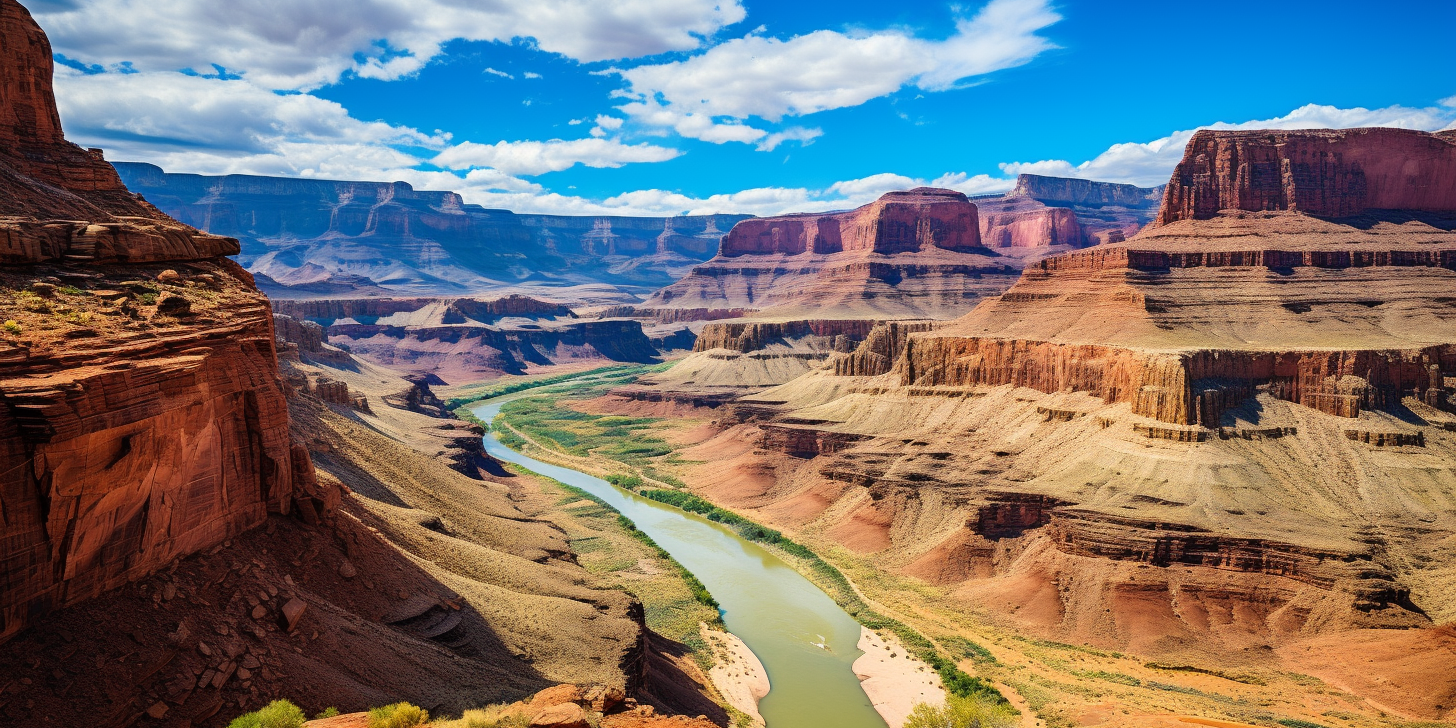
Renowned for its natural beauty and breathtaking landscapes, the Grand Canyon invites adventure seekers and nature lovers to explore its rugged terrains. Carved by the mighty Colorado River, the canyon is a testament to the raw power of nature and time. Whether you’re a seasoned hiker or a casual tourist, the Grand Canyon offers an array of activities and trails that showcase its geological wonders and provide a profound connection with nature.
Getting to Know the Grand Canyon
The Grand Canyon, a UNESCO World Heritage Site, is situated in Arizona, USA, and stretches over 277 miles. Its dynamic landscape encompasses various ecosystems, making it a hotspot for biodiversity. The area is managed by the National Park Service, and there are numerous facilities and services available, including visitor centers, guided tours, and official accommodations.
Preparing for Your Hike
Preparation is key to making the most of your Grand Canyon experience. Ensure you have the necessary permits for specific trails, and book accommodations well in advance if you plan to stay overnight. Equipping yourself with a map, wearing appropriate hiking gear, and carrying sufficient water and food supplies are critical for a safe hiking experience.
Popular Hiking Trails
From leisurely walks to challenging hikes, the Grand Canyon offers trails for every skill level. Each trail offers unique vistas and various terrains, from the canyon’s rims to its inner depths.
Bright Angel Trail
This is one of the most popular and accessible trails, providing amenities such as rest houses and water stations. It’s perfect for day hikes, though you can venture further into overnight trips with proper planning.
South Kaibab Trail
Offering panoramic views, South Kaibab Trail is ideal for those seeking picturesque landscapes. There’s no water available along the trail, making it crucial to carry enough supplies.
North Kaibab Trail
This trail is less crowded, offering a more serene experience. It’s the only maintained trail into the canyon from the North Rim, offering unique views and a diverse hiking experience.
Guided Tours and Educational Programs
For those interested in learning more about the canyon’s geology, history, and ecology, various educational programs and guided tours are available. These tours, led by knowledgeable guides, provide in-depth insights into the canyon’s formation, native cultures, and local wildlife.
Experiencing the Grand Canyon’s Wildlife
Home to numerous species, the Grand Canyon is a fantastic place for wildlife viewing. From mule deer to California condors, the area’s diverse habitats house a variety of animals. Visitors are reminded to respect wildlife by observing from a distance and adhering to park regulations.
Alternative Outdoor Activities
Beyond hiking, the Grand Canyon offers other outdoor activities. White-water rafting on the Colorado River is a thrilling way to see the canyon from a different perspective. Mule trips are available for those looking for a unique way to navigate steep trails. Furthermore, helicopter tours provide unparalleled aerial views of the region.
Camping and Accommodations
Immersing yourself in the Grand Canyon’s natural beauty is made easy with its camping facilities. Options range from established campgrounds to backcountry camping for the more adventurous. Additionally, nearby lodges and hotels offer comfortable stays with varying levels of luxury.
Booking Your Stay
Due to the area’s popularity, it’s recommended to book your accommodations well in advance, especially during peak seasons. Backcountry campers will need to obtain a permit several months ahead of their trip.
Conservation Efforts and Visitor Contribution
The Grand Canyon faces various environmental challenges, including habitat degradation and water supply issues. Visitors play a role in its conservation by respecting park rules, practicing ‘Leave No Trace’ principles, and possibly contributing to preservation programs. Sustainable tourism ensures the canyon can be enjoyed by future generations.
Important Safety Information
While the Grand Canyon is a place of immense beauty, it also poses natural hazards. Weather conditions can be extreme, and the terrain rugged. Ensure you are well-informed about weather forecasts, trail conditions, and your physical limits. In case of emergencies, the park is equipped with ranger stations and emergency services.
Useful Resources
Planning is crucial for a trip to this iconic destination. The official Grand Canyon National Park website is a valuable resource for the latest information on trail conditions, weather forecasts, and essential safety guidelines. This preparation ensures a fulfilling, awe-inspiring experience.
Conclusion: Embracing the Natural Splendor
The Grand Canyon is more than a stunning visual spectacle; it’s a journey through ancient geological history and a testament to nature’s enduring power. Whether through the lens of a camera, the exhilaration of a hike, or the tranquility of a sunset view, each visitor forms a unique bond with this natural wonder. The journey may be physically demanding, but the spiritual and emotional rewards are unparalleled. It’s a profound reminder of our connection to the natural world and the importance of preserving these sanctuaries for future inspiration.