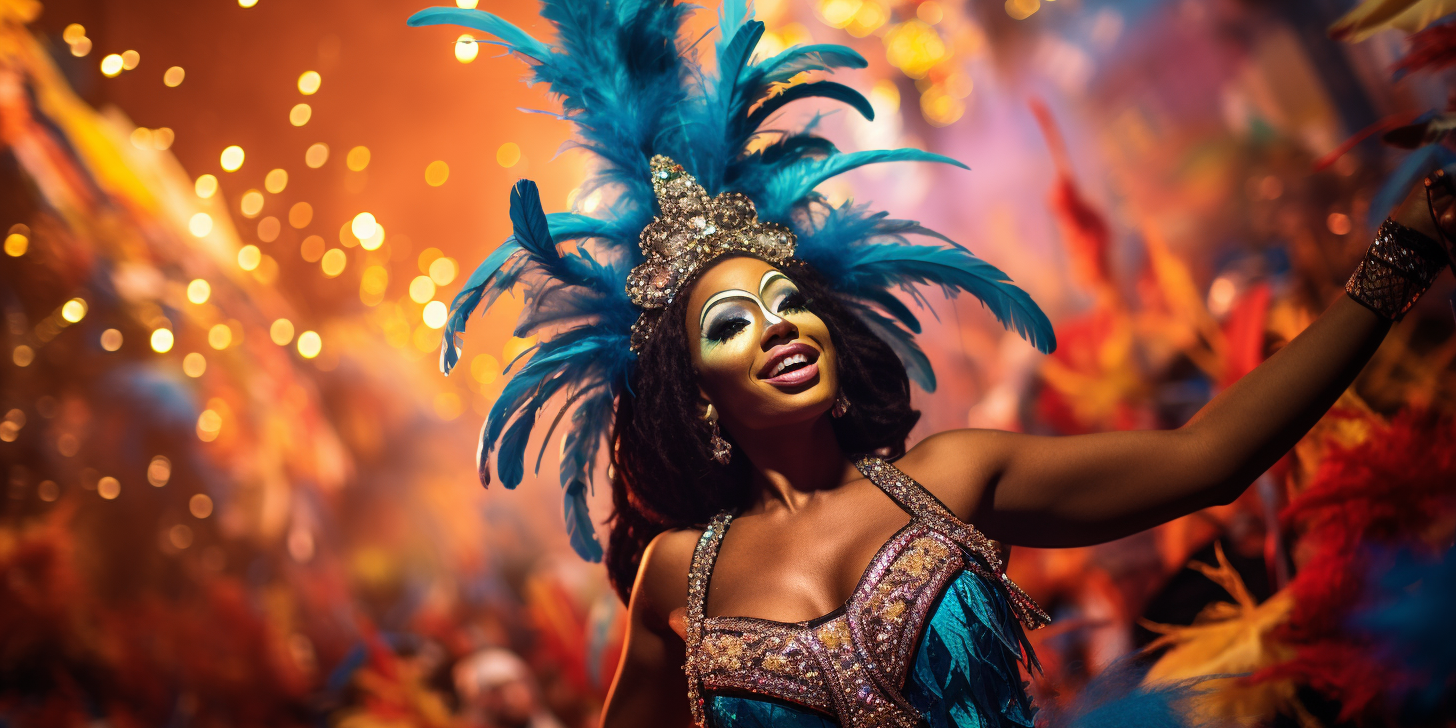
The Rio Carnival, arguably the most spectacular event on the planet, is a five-day festival of vibrant colors, pulsating music, and unmatched energy, taking place in Rio de Janeiro, Brazil. This world-renowned party starts on the Friday before Ash Wednesday, marking the beginning of Lent, and keeps the city throbbing with life until the following Tuesday. For the participants, known as ‘carnivalgoers,’ it is a euphoric celebration that encapsulates Brazilian culture, heritage, and artistic expression.
Understanding the Carnival’s Significance
Rooted in Portuguese tradition, the Rio Carnival began as a food festival, as it was customary to clear out the pantry in a grand feast before Lent. Over centuries, the celebration evolved, incorporating various cultural influences to become the magnificent event we witness today. It’s an emblem of Brazil’s cultural diversity, expressed through elaborate parades, samba music, and distinct dance forms.
Joining the Samba Schools
The heart and soul of the Carnival are the samba schools. These are not academic institutions but community organizations that compete on various levels during the Carnival. Each school represents a specific neighborhood and is characterized by a unique theme, song, and costumes. Anyone can join these schools, regardless of nationality or samba expertise. Being part of a samba school offers the unforgettable experience of dancing through the Sambadrome with thousands watching and cheering.
Choosing the Right School
Participation starts with selecting a samba school. It’s advisable to research the history, reputation, and requirements of various schools before choosing. Some famous schools include Mangueira, Beija-Flor, and Salgueiro. After deciding, you need to purchase your costume from the school, which also serves as your ticket to participate in the parade.
Preparation for the Parade
Preparation is a vital part of the experience. It typically involves learning the school’s samba song, understanding the story they are portraying, and attending rehearsals. These rehearsals don’t just serve as practice but also as mini-festivals, building up anticipation for the main event.
Costumes and Expectations
The costumes, often feathered and sequined, range from elaborate headdresses to meticulously designed wings. While participants are expected to pay for their costumes, wearing them is a matter of pride and adds to the grand visual spectacle of the parade. It’s important to treat these costumes with care, as they are integral to the school’s overall presentation.
Experiencing the Sambadrome
The pinnacle of the Carnival is the Sambadrome parade, a fierce competition between samba schools. The Sambadrome Marquês de Sapucaí, designed by architect Oscar Niemeyer, is a purpose-built parade area where schools showcase their year’s work in front of the entire world, competing based on their music, dancing, thematics, and overall impression.
Daytime vs. Nighttime Parades
Parades are held both in the daytime and at night, each offering a different experience. Daytime parades are usually more family-friendly, with a slightly more relaxed atmosphere. In contrast, the most prestigious schools parade at night, where the atmosphere is electric, marked by fierce competition and the most extravagant displays.
Tips for Carnivalgoers
First-timers often benefit from some practical advice to maximize their Carnival experience. Here are tips to ensure a memorable and hassle-free time:
- Stay hydrated and eat well, as the days are long and energy-consuming.
- Keep your belongings safe. Opt for closed pockets or money belts, as crowds can attract pickpockets.
- Choose comfortable footwear. You’ll spend hours on your feet, dancing and walking.
- Learn some basic samba steps to fully immerse yourself in the experience. Though not mandatory, it adds to your fun.
- Respect the culture and the people. Remember, you’re a guest in an event deeply significant to Brazilians.
Beyond the Sambadrome
While the Sambadrome holds the official parades, the Carnival spirit spills over across Rio. Street parties, known as ‘blocos,’ occur throughout the city. These range from small gatherings to massive parties with DJs or live bands. They’re free and attended by locals and tourists alike, offering a more spontaneous Carnival experience.
Conclusion: Embracing the Carnival Spirit
The Rio Carnival is more than an event; it’s a unique cultural immersion that allows participants to experience the vibrancy of Brazil in the most intense, joyous manner. By participating, you become part of a rich historical tapestry and a global community united by the love of music, dance, and the free spirit of celebration. Whether you’re parading in the Sambadrome, dancing in a local ‘bloco,’ or marveling at the festivities, you carry a piece of the Carnival’s magic with you forever.