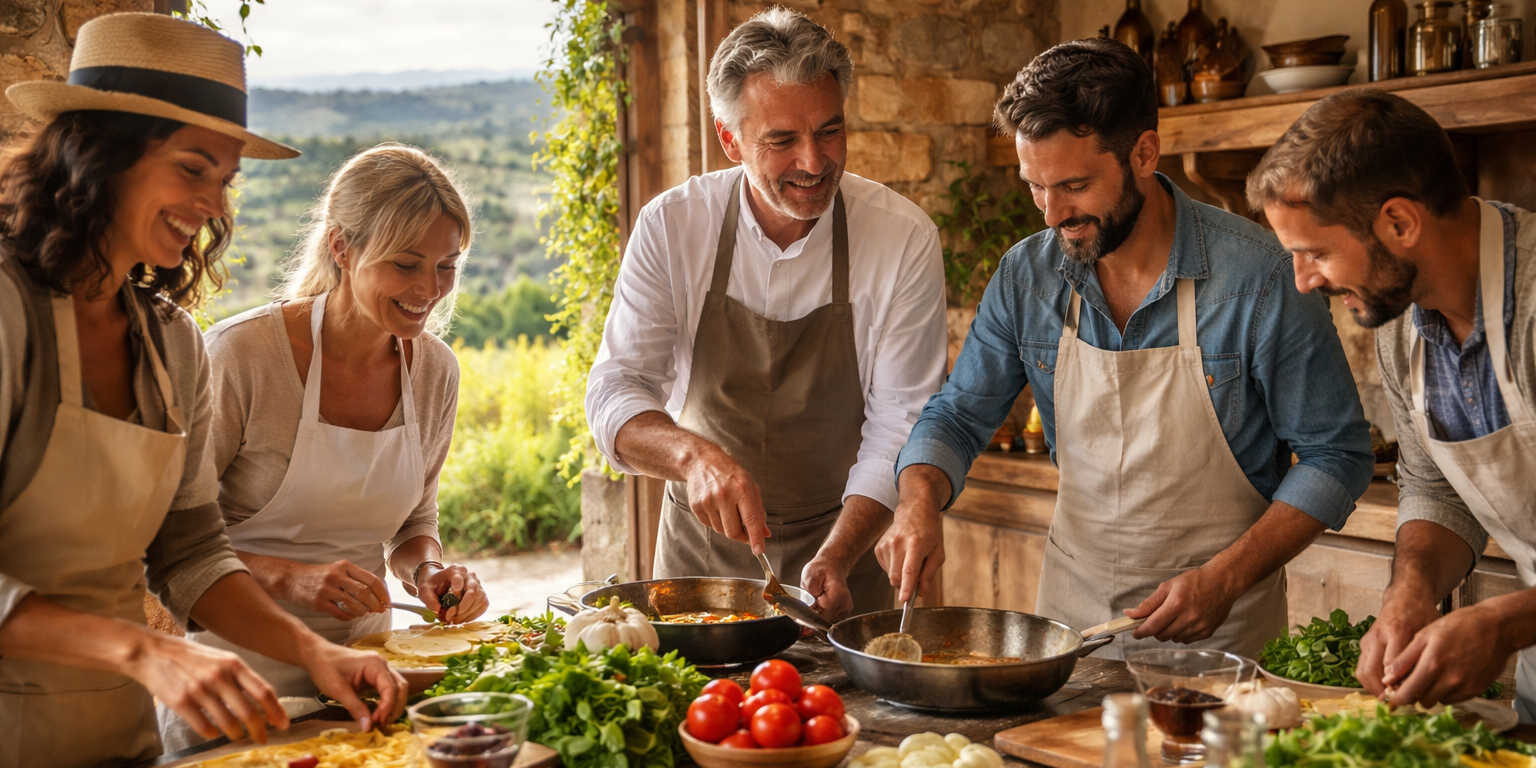
Tuscan cuisine is widely recognized as one of the most authentic expressions of Italian culinary culture. Shaped by centuries of rural traditions, agricultural rhythms and respect for raw ingredients, it represents a gastronomic philosophy where simplicity and quality prevail over complexity. The foundations of Tuscan cooking rely on seasonal produce, extra virgin olive oil, legumes, grains and carefully selected meats, combined through techniques designed to enhance natural flavors rather than alter them.
This approach has allowed Tuscan cuisine to remain remarkably consistent over time, preserving its identity while continuing to inspire chefs, food lovers and travelers from all over the world. Cooking in Tuscany is deeply connected to everyday life, social rituals and family heritage, making food an essential cultural language rather than a purely functional activity. For this reason, learning how traditional dishes are prepared offers valuable insight into the region’s history, values and relationship with the land.
In recent years, the rise of experiential travel has increased interest in activities that allow visitors to engage more deeply with local cultures. Culinary experiences, in particular, have become a meaningful way to move beyond observation and participate directly in traditions that define a destination. Within this context, Tuscan cooking experiences stand out for their strong connection to place, authenticity and educational value.
The Core Principles of Tuscan Cuisine
At the heart of Tuscan cuisine lies a clear respect for ingredients and seasonality. Recipes are often built around a small number of elements, chosen for their freshness and origin rather than their complexity. Vegetables follow the agricultural calendar, bread is reused creatively to avoid waste, and olive oil plays a central role both as a condiment and a cooking base. This philosophy reflects a historical necessity that evolved into a defining cultural trait.
Cooking methods tend to be straightforward and time-tested, including slow simmering, grilling and baking. These techniques allow ingredients to express their full character while maintaining a strong link to rural traditions. Understanding these principles is essential for anyone seeking a deeper appreciation of Tuscan gastronomy, as they explain why many dishes appear simple yet deliver distinctive and memorable flavors.
Rather than relying on elaborate preparation, Tuscan cooking emphasizes balance, patience and respect for raw materials, values that are best understood through direct, hands-on experience.
Cooking Experiences as Cultural Immersion
Participating in a cooking experience offers a unique opportunity to engage with Tuscan culture from the inside. Instead of merely tasting finished dishes, participants actively take part in the preparation process, learning how traditional recipes are built step by step. This involvement fosters a deeper understanding of the techniques, ingredients and decisions that define regional cuisine.
Cooking together also creates space for exchange and storytelling. Through shared preparation, participants gain insight into local customs, family traditions and regional variations that are rarely accessible through conventional tourism. These moments often become some of the most meaningful memories of a journey, precisely because they combine learning with personal interaction and cultural context.
In Tuscany, cooking experiences frequently take place in settings that reinforce their authenticity, such as countryside homes, historic residences or long-established kitchens. The environment itself becomes part of the experience, connecting food preparation to the history and identity of the place where it unfolds.
As a result, cooking classes are increasingly valued not as entertainment, but as a genuine form of cultural immersion.
Different Approaches to Tuscan Cooking Experiences
Tuscan cooking experiences can vary in structure and focus, yet they share common characteristics that define their appeal. Many emphasize practical participation, guiding guests through the preparation of traditional dishes while explaining techniques and ingredient choices. Others enhance the experience through distinctive locations, allowing participants to cook in historic estates or rural settings that reflect the region’s heritage.
Personalization is another important element. Some experiences are designed as tailored culinary journeys, offering ongoing guidance and adapting the content to individual interests and skill levels. This approach allows participants to explore Tuscan cuisine in greater depth, whether their focus is on classic recipes, refined techniques or a broader understanding of Italian food culture.
Across all formats, the emphasis remains on authenticity, learning and meaningful engagement rather than performance or spectacle.
A Contextual Example within the Tuscan Culinary Landscape
Within this broader framework, a Tuscan cooking class experience represents a refined interpretation of hands-on culinary learning. These experiences are structured as personalized journeys guided by expert chefs, offering continuous mentorship from the initial consultation through to the completion of the dishes.
The focus is on creating an authentic culinary adventure shaped around individual tastes and aspirations, supported by attentive guidance throughout the process. Certain experiences take place in historically significant locations, such as castles, where participants explore Tuscan cuisine while preparing gourmet dishes in a refined setting and enjoying a fine dining atmosphere within a centuries-old estate.
This approach reflects the core values of Tuscan gastronomy, combining tradition, expertise and attention to detail in an environment that enhances both the cultural and sensory dimensions of cooking.
The Enduring Value of Tuscan Cooking Experiences
Tuscan cooking experiences offer more than technical knowledge. They provide lasting skills, cultural understanding and a renewed appreciation for the relationship between food and place. Participants often leave with greater confidence in the kitchen, a deeper awareness of ingredient quality and a clearer understanding of how tradition shapes everyday cooking.
By engaging directly with Tuscan cuisine, travelers move from passive consumption to active participation in a cultural practice rooted in history, land and community. This form of immersion transforms a journey into a meaningful learning experience, leaving a lasting impression that extends far beyond the table.
For those seeking authenticity, knowledge and cultural connection, cooking in Tuscany remains one of the most effective ways to understand the true essence of Italian culinary tradition.